Blog ·
Plan Your Move Without Breaking the Bank: A Complete Budget Guide
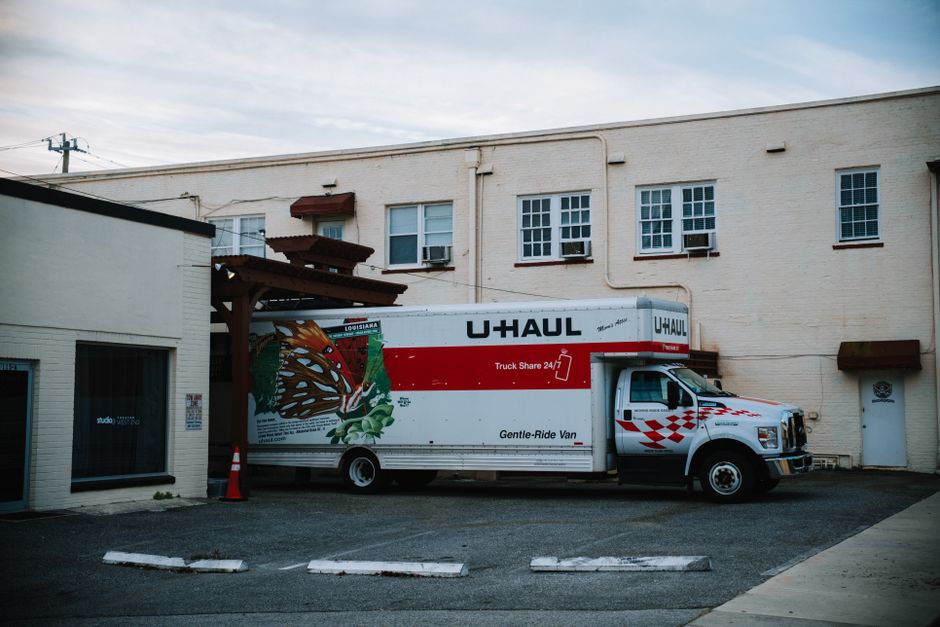
Moving day can be one of life's biggest expenses, but with careful planning, you can create a budget that accounts for all the costs involved. Whether you're relocating across town with local movers or tackling a long distance move, understanding where your money goes makes the entire process less stressful.
Identify Major Expense Categories
Start by identifying the major categories of moving expenses. Transportation costs form the foundation of your budget. If you're hiring local movers, costs typically depend on the distance and time required. For long distance movers, pricing often reflects mileage, weight, or the volume of items being transported. Getting quotes from multiple moving companies gives you realistic figures to work with rather than guessing.
Labor is another significant expense. Professional movers handle the heavy lifting, but you'll want to factor in costs for their services carefully. Beyond just transportation, many people overlook the value of professional packing services. High-quality packing materials and expert techniques protect your belongings and often prevent expensive damage during transit. This service is worth budgeting for, especially for valuable or fragile items.
Account for Materials and Supplies
Materials and supplies represent a category many people underestimate. Boxes, tape, bubble wrap, and padding add up quickly. When you hire professionals for packing services, these materials are typically included, which can actually reduce your total expenses compared to purchasing everything yourself.
Include Additional Moving Services
Don't forget to budget for additional services you might need:
- Equipment rentals
- Utility setup fees at your new location
- Address change notifications
- Storage solutions if necessary
- Specialized services your situation demands
Create Your Budget Framework
Here's a practical approach: list every single moving-related expense you can think of, then add fifteen percent as a buffer. This cushion accounts for unexpected costs that almost always arise. Research local movers in your area and request detailed quotes. For long distance moves, compare several estimates to understand the market rate.
Break your budget into fixed costs, which don't change regardless of your choices, and variable costs, which you can influence. Professional moving services might seem expensive upfront, but they often cost less overall than doing it yourself when you factor in time, energy, stress, and potential damage to your belongings.
Track Your Expenses
Create a spreadsheet or simple checklist tracking each expense category. Review it monthly leading up to moving day. This approach keeps you informed and prevents costly surprises when moving trucks arrive.
A realistic moving budget acknowledges that quality service has value. Professional local movers, long distance movers, and packing services exist to make your transition smooth and protect what matters most to you. Plan carefully, get competitive quotes, and invest wisely in services that reduce your stress and safeguard your belongings.